Friday, November 13, 2020

First Lady Jill Biden and the White House Garden

Now that almost everyone concedes that the Bidens will be moving into the White House soon (hopefully, soon enough!), local garden writers like me are pondering what admittedly is the least important question about the transition – will it affect the White House gardens?

First, let’s go to the photos, like the one above of Dr. Biden doing a campaign video from their home in Wilmington. Whether she gardens or not, she clearly HAS a garden, and it looks lovely.

Here’s another photo, presumably in their Wilmington garden, with Champ.

That doesn’t tell us whether she (or her husband) actually gardens, of course, so I tried googling their names with “garden” and “gardening” and the results were slim and unhelpful:

This one shows the Bidens during a party at the official VP home in DC – the Naval Observatory. There’s never been a public tour there to my knowledge, and I had no idea there was a pool – and it’s gorgeous.

Here’s Dr. Biden with Michelle Obama at the U.S. Botanic Garden.

I did a little more research when I visited Rehoboth Beach, Delaware last month and looked for the Bidens’ vacation home there. It was surprisingly easy to find – “Just ask Google!,” a neighbor told me. In anticipation of selling their Wilmington home and moving to the beach full-time in retirement, the Bidens had sold their smaller beach house and upgraded to this 6-bedroom home with an ocean view. (Shown here, with lots of interior photos.) But admittedly, there’s scant evidence here of what might be called gardening. 

So maybe she’s not a gardener herself, and I’m guessing that with First Lady duties on top of her teaching schedule, we may not see her harvesting vegetables with local kids. 

But I’m still hopeful that the new administration will bring changes to the White House gardens and grounds, shown here in my October 2010 post. Maybe she’ll change the Jackie Kennedy Garden seen above; it’s just outside the East Wing where the First Lady’s offices are located.

Time for the White House grounds to get greener?

Big picture, the White House sits on 18 acres, you know, and although Michelle Obama’s kitchen garden was a great addition and essential to her campaign for children’s health, there’s lots more that could be done.

Way back in November of 2008, soon after the election, Michelle Obama’s staff contacted me for advice about a possible White House kitchen garden, which was so thrilling! I know nothing about growing food so I promised to get back to them with an answer. I consulted over 30 local experts and compiled their suggestions in this proposal, which went way beyond what I’d been asked, recommending improvements in lawn care, stormwater management, provisions for wildlife – all facets of sustainable landscaping.

The very disappointing result? I never got a response! I suppose it’s because my answers went waaay off-message. I did have some back-channel communications with Sam Kass, their Food Initiative Coordinator, and was at least able to connect him with some local food-growing and school-garden people. But my dreams of becoming new-best-friends with Michelle herself were dashed, as well as the more modest dream of being invited to the grand unveiling of the new food garden. 

This time, I’m not expecting to be contacted but I’ll do my best to get that proposal seen again. And I’ll definitely be there for the spring 2021 White House Garden and Grounds Tour, after which I’ll respond to the Rant commenters demanding that I condemn the recent changes to the Rose Garden. Any real gardener knows not to judge a redesign immediately after installation – in August, no less, and after its abuse during the convention.

First Lady Jill Biden and the White House Garden originally appeared on GardenRant on November 12, 2020.

The post First Lady Jill Biden and the White House Garden appeared first on GardenRant.


from GardenRant https://ift.tt/2IwFUxt

Thursday, November 12, 2020

Simple Hacks That Will Make You Better At Hydroponics Gardening

The post Simple Hacks That Will Make You Better At Hydroponics Gardening appeared first on Miss Smarty Plants.

More and more people are exploring hydroponics gardening, which is perfect even for urban locations because the process doesn’t require the use of soil to grow plants. Rather, the nutrients that the plant usually gets from the soil are made present in the water surrounding the roots of the plants. If you are keen on being successful at hydroponics gardening, then the simple hacks below will prove to be beneficial for you.

IMAGE SOURCE: https://ift.tt/36xEsmv

Research, research, research

One of the primary things that you need to do to make you better at hydroponics is to be informed. This means that you need to exert extra effort to research about it, such as how this specific type of gardening process works, as well as the equipment that you need to get started. If you have the proper knowledge about hydroponics gardening, you will be able to know how to better do the things that you need to do to produce healthy and thriving plants.

Ensure water quality

Another thing that you need to ensure if you want to grow healthy plants through hydroponics gardening is the quality of water that you use. In this case, you can consider the use of Bluelab hydroponic water control equipment to ensure that the water you will use for your plants has the right nutrients and pH level at the appropriate temperature. It is recommended that the pH level of the water you will be using is between 5.5 to 6.5 because, with this level, the ability of your plants to absorb the nutrients that they need is heightened.

Maintain cleanliness

You should also make sure that your entire system is clean at all times to ensure that the water you are using to grow your plants will not be contaminated. Thus, make sure that you adhere to a regular cleaning schedule, which includes the sterilization of your grow room. You should also take the time to clean the nutrient solution reservoir of your system every couple of weeks, in parallel to opening the valves of your system for a couple of seconds once every week to avoid clogging.

Leverage a fertigation system

Aside from the quality of the water you are using, as well as the cleanliness of your system, you can also consider the use of a fertigation system. This is where you will be injecting fertilizers into your irrigation system. However, you need to ensure that you use the right amount of fertilizer in your water supply so that your plants will be able to obtain a balanced amount of nutrients.

IMAGE SOURCE: https://ift.tt/2IzhOSp

To wrap things up, make sure that you are properly informed if you want to be successful in growing plants through the hydroponic process. Alongside this, you should also ensure the quality of the water that you will use and maintain the cleanliness of your system. Consider the installation of a fertigation system if you have to because all these are geared towards ensuring that you will be able to grow a healthy plant in your contemporary garden even if you are living in an urban location.

The post Simple Hacks That Will Make You Better At Hydroponics Gardening appeared first on Miss Smarty Plants.


from Miss Smarty Plants https://ift.tt/2UjjFxB

Wednesday, November 11, 2020

Remembering Aunt Rose

Rose Russell Blakely passed away in late September. Aunt Rose loved her garden. She was 93 years old.

I often visited Aunt Rose, and her garden, in Washington, D.C., since I married her beloved niece and namesake, Rose Cooper, 25 years ago.

Aunt Rose was a real-deal gardener.

A good garden requires give and take. You need to nurture a place. It takes years to learn the nuances of soil types and hidden roots. Ice storms and hurricanes, among other forces of nature, can make a mess.

There is no sure deal.

Other than heavy lifting and hard pruning, Aunt Rose did all of her own gardening chores.

A well-loved garden can’t exist without a patient and deliberate gardener, but even the best intentions can’t slow the hands of time.

Aunt Rose’s garden, her final companion, was a jungle toward the end, but she seemed serenely unaware. She acknowledged regularly that it needed a “little work.” On calls this year, she would ask me when I was coming to visit. “I have questions,” she’d say. She was thinking about a shrub for the back of the garden. Aunt Rose’s mind was failing. Our phone calls became a regular playback of the previous call.

Getting ready for the 2017 Women’s March. L-R: Rose Cooper, Jill Winston, Cooper Francis and Aunt Rose.

The pandemic became full blown. I never got to visit Aunt Rose again but never stopped thinking about a shrub for her back garden.

Aunt Rose gardened in Georgetown, D.C., for 52 years. She worked for Republican senators for many of those and was Kentucky Republican Senator Thruston Morton’s Personal Assistant from 1957-1969. Those were different times. There was more political give and take across the aisle between Republicans and Democrats. Senators would eat meals together in the Senate dining room. Now they relentlessly go off the Hill to make calls to raise money for their next campaigns. 

Aunt Rose knew the Capitol Hill power brokers, and they knew her. She was a force. When Senator Morton retired from the Senate, he told Aunt Rose, “You did a great job, but I was always afraid of you,”

Aunt Rose did not mince words.


(She was a life-long Republican but lived her last years in disbelief that the Republicans, and her country, had inherited Donald Trump.)

Later, she enrolled in the garden design program at George Washington University.

She kept good notes.

I have been reading dozens of her typed (and sometimes neatly handwritten) flash cards that she compiled during her studies all those years ago. The breadth of the plants was fascinating. Heaths, heathers, serviceberries, sourwood and hollies were included but also the less familiar golden larch (Pseudolarix  amabilis) and fragrant snowball (Styrax obassia).

I laughed when I saw the styrax flash card. Summer, a year ago, she was staying with us in Salvisa, and while we were enjoying dinner on the porch, she pointed to a tree and said, “That needs to be moved.” I wondered why she wanted to move OUR tree, but she had spaced out. Her dementia was worsening. She imagined that she was sitting in her garden.

The tree was our Styrax obassia—not Aunt Rose’s.

I played along and asked her why she wanted to move her styrax. “It will grow too big for its cramped space,” she insisted.

Mid-September

I worried for months about whether to move our styrax. I knew it might eventually grow too big for our space, but not in my lifetime. (It was already too big for me to move.) I met Aunt Rose halfway this past late winter. I pollarded (pruned and tamed) the limbs to make its future presence less overwhelming.

I have spent many hours pruning, raking, digging and sitting in Aunt Rose’s, long, narrow (150’ x 27’) garden. I can’t stop thinking about her blue, Lobelia siphilitica or the translucent, triangular seedpods of the hardy Begonia grandis, the mottled bark of her elegant Stewartia pseudocamellia or the red, quince blooms by her backdoor.

It’s hard to put my finger on why Aunt Rose’s garden, especially when it was being taken over by knotweed and white heath aster, remained so intriguing. For one triumphant reason, I concluded: Life’s hectic pace slowed down. The sirens of ambulances, heading to the nearby Georgetown Hospital, were drowned out by her garden’s silence.

Her toad lilies (Tricyrtis ‘Sinonome’) and pink anemones persisted unflinchingly. The low-growing Himalayan sweetbox (Sarcococca hookeriana var. humilis) would not be overrun by weeds, either. I found a big clump of the equally defiant sacred lily (Rohdea japonica), hidden in a shady back corner of her garden.

Aunt Rose’s last few months were worrisome for her nieces. She was letting go and would not accept help. Aunt Rose lived life her way until the end. She stayed near her garden. It didn’t bother her that the garden needed work—lots of work. She spent Covid days on her sun porch, playing solitaire and looking out over a half-century of life and love.

Tidied up in late September

I kept thinking, since her passing, about the question she repeatedly asked: What shrub would I recommend for the back of her garden? I pored over her flash cards for ideas. I was tempted by a redbud, serviceberry or a mountain laurel.

I settled on summersweet (Clethra alnifolia). Mike Dirr, author and plantsman, sings its praises. “During the summer, the sweet floral fragrance of summersweet can permeate an entire garden… An amazingly adaptable plant in full sun to relatively heavy shade.”

Rose and Aunt Rose walk the garden in Dumbarton Oaks in Georgetown, D.C. November 2016.

I’ve kept Rose’s son, and his wife, in mind. They may live there one day.

I’ll make my case for clethra in the months to come.

There have been more important immediate concerns.

Aunt Rose’s nieces cleaned up the garden in solemn gratitude after her passing.

Aunt Rose would be happy.

Remembering Aunt Rose originally appeared on GardenRant on November 11, 2020.

The post Remembering Aunt Rose appeared first on GardenRant.


from GardenRant https://ift.tt/3nb2dYv

Sunday, November 8, 2020

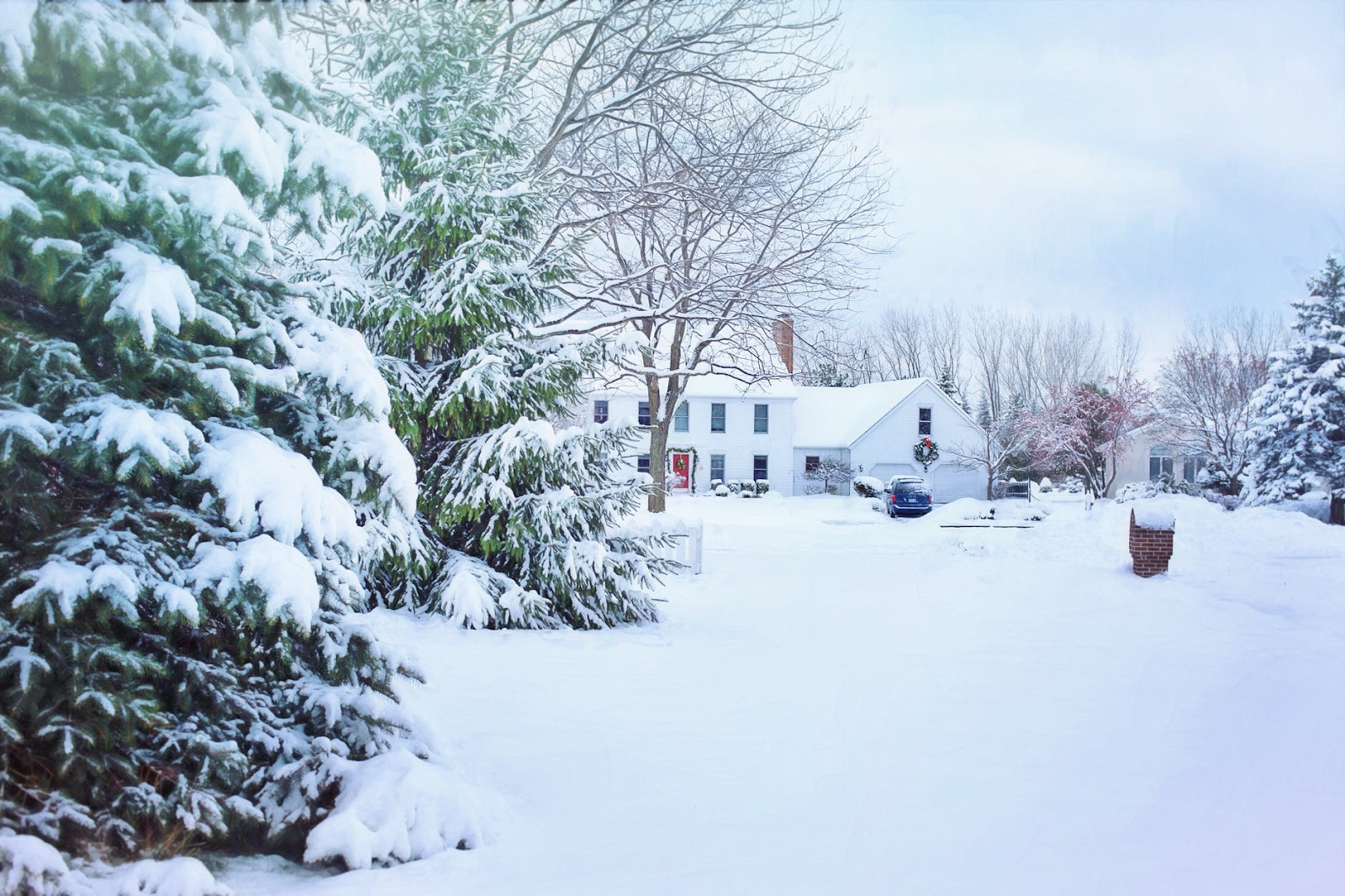
Turning Your Garden Into a Winter Wonderland: 9 Top Tips for Garden Lovers

The post Turning Your Garden Into a Winter Wonderland: 9 Top Tips for Garden Lovers appeared first on Miss Smarty Plants.

Photo by Jill Wellington from Pexels

The many lockdowns and social distancing measures we have all endured over the summer months have made it evident how important our gardens and outdoor areas are. This is a place to spend quality time with your loved ones, make ever-lasting memories, exercise in all safety, and get your much-needed dose of Vitamin D. 

But, now the days are getting colder and colder, it is easy to feel trapped indoors and without an outdoor space to enjoy. However, your garden can still be an excellent environment for you to spend the Christmas holidays with your family and safely meet your friends. It just needs some adjustments – start with the ones below!

Tidy Up Your Whole Outdoor Area

First off, tidy up your outdoor area and clean your garden of leaves, brushes, branches, and debris. This step is important to make your outdoor area safe for your whole family – including little ones. Check your garden’s fences and borders, making sure that they are clean, neat, and safe. 

If you have used wood and nails, make sure these are perfectly in shape, and there is no rust. If rusted, bent, or poking out, it is recommendable to get rid of them and replace them with new fixtures. This is crucial to ensure that the garden structures and fences are safe and will stand the winter’s harsh weather conditions.  

Winter interest in the garden

Make Your Patio Cozy and Welcoming

If you have a patio or outdoor covered area, you should make the most of it. If you don’t, this is the best year to invest in one! Indeed, we are likely to be spending more time than we had imagined indoors this year. So, creating a sheltered, comfortable area for you and your family to enjoy throughout the cold season is paramount. 

You can turn your patio around by cleaning it, tidying it, and start adding thoughtful details. If you are using your patio as a storage area, you should reconsider its current design, implementing cabinets and cupboards that can give it a sleeker look.

If your patio is too exposed to the elements, you might also consider enclosing it with insulating materials.

Add Heating and Blankets

If you want to enjoy more time outside of your home this winter, you will need to make sure that your garden or patio is warm enough. As we’ll see, installing a fire pit can add a touch of extra magic to the atmosphere and warm up the immediate surrounding. 

But, if you wish to have a more practical solution, you should invest in outdoor heaters. Don’t forget to drape the chairs and armchairs with throws and blankets. Don’t forget to add extra pillows and cushions for an extra comfy evening. 

Don’t Hold Back on Lighting

During winter, days are famously short, and you can expect to be in the dark by 4 pm during certain months. So, fitting enough light fixtures to light up the whole area is a must. If you wish to make still the atmosphere comfortable and intimate, opting for fairy lights and brighter Edison bulbs are excellent options. 

Indeed, the light they create is enough for you to enjoy dinner parties in your enclosed patio or a cup of hot chocolate outdoors in the evening. So you can enjoy a magical design with just a few simple additions. 

Add Eco-Friendly Outdoor Furniture

Adding furniture to your garden is something you cannot overlook, but using the right materials is crucial. Indeed, the furniture industry does impact the environment, and if you are only looking for chairs and tables for one season, it is recommendable to find pre-loved items. 

Alternatively, you might decide to put your DIY skills to test and create your own pieces of furniture! Using elements such as pallets allow you to create bespoke pieces of furniture that will last through the winter. Once you have created the ideal furniture, just add pillows, blankets, and throws, to make it even more comfortable.

Plant Winter-Friendly Seeds

The winter season is not just the time of the year where you can forget about your garden. These are important months, especially if you wish to have a well-designed garden and cared for in spring. 

There is an endless list of flowers, plants, vegetables, and grasses that are hardy enough to not only survive the winter but even thrive through it! If you are yet to decide on the winter plants for your garden, take a look at Boston Seeds and start designing your dream winter garden.

Consider Installing a Small Conservatory

If you wish to make the most out of your garden this winter, you might consider installing a small conservatory or orangery. Whether you wish to call it a garden room or sunroom, this is the best way to enjoy the winter sun. This extension allows you to keep practicing your gardening skills and get your plants to continue to grow before spring. While it seems like an unnecessary investment at first, a conservatory can be a beautiful addition to any living room or kitchen. Start planning for it now!

Attract Wildlife

You can attract small-size wildlife, such as robins and other birds, just by adding little houses or feeding stations. Depending on where your home is, you might not be able to see your garden filled with animals, but you will be able to help some birds, squirrels, or frogs occasionally.

Consider Installing a Fire Pit

Installing a fire pit is a dream for every gardener or camping lover. It allows you to always have a place where you can say goodbye to your TV and enjoy the crisp evening air. You can use the flames to toast marshmallows or grill vegetables for your upcoming family dinner. 

And, with a cup of drinking hot chocolate or mulled wine in your hands, having a fire pit in your garden is an excellent way to get the whole family to come together and take time to tell stories and anecdotes. There is nothing better to make this upcoming Christmas a little more magic – even if in an unusual way!

The post Turning Your Garden Into a Winter Wonderland: 9 Top Tips for Garden Lovers appeared first on Miss Smarty Plants.


from Miss Smarty Plants https://ift.tt/3n46EnL

Friday, November 6, 2020

Brookside Gardens is More Appreciated than Ever

I come to praise a public garden in the Maryland suburbs of D.C. for helping thousands of locals get outdoors in nature, move their bodies and feel a little saner while staying covid-safe. It’s Brookside Gardens, a 50-acre county garden that’s kept its outdoors open all this year. 

As you can tell from this panoramic shot of their Visitors Center, they don’t skimp on color.

Brookside Gardens October 2020

My favorite spot in the fall is this line of ginkgo leaves at their purest yellow. 

Visitors at Brookside Gardens October 2020

Near the entrance is their annual display of mums, which normally is indoors but since being moved outdoors it’s more popular than ever. Photo ops galore!  

Brookside Gardens Self Station October 2020

The display includes a frame for portraits and two selfie stations where visitors could prop up their phones for the shot. 

Brookside Gardens October 2020The Full 2020 Report

I spoke with Ellen Hartranft, Visitors Services Coordinator for Brookside, for more details about how covid has affected the garden.

Sadly, their major holiday events – the Garden of Lights and the indoor railroad display – had to be cancelled.

The Visitors Center closed in March but reopened in mid-August (including rest rooms and the gift shop.) Despite its being closed for so long, with no rest rooms available, visitation this year has been up 75 percent over normal years!

I’m not surprised, hearing from so many of my friends that they’re visiting more than ever, and arranging get-togethers there with family and friends. Nobody’s back yard is as large and safe for socializing as Brookside’s 50 acres. Also, there’s no entrance fee, and parking is abundant.

Brookside Gardens October 2020

As a visitor myself – a visitor in the vulnerable age group – I appreciated that only one person is allowed in the rest room at a time. And only six people or family units are allowed in the atrium at a time. To accomplish those safety measures, administrative staff and volunteers have been commandeered into doorman positions.   

Of course lots of things have gone virtual – both adult and children’s programming. But not everything. The spring plant sales went on in person, with curb-side pick-up. Friends of Brookside Gardens held their own plant sale – with record-breaking proceeds!

And the public has been able to hold their own small events there – weddings, memorials, and parties, all complying with the county’s 50-person limit, which includes staff and vendors. (Brookside reduced its event fees to be in line with the smaller event size.)

So kudos for everything Brookside does for the public, especially this year!

Now enjoy a few more scenes from late October.

Brookside Gardens October 2020

Brookside Gardens October 2020

Brookside Gardens October 2020

Brookside Gardens October 2020


Brookside Gardens is More Appreciated than Ever originally appeared on GardenRant on November 6, 2020.

The post Brookside Gardens is More Appreciated than Ever appeared first on GardenRant.


from GardenRant https://ift.tt/351fcpq

Wednesday, November 4, 2020

How to Grow and Maintain a Live “Go Green” Garden Fence

The post How to Grow and Maintain a Live “Go Green” Garden Fence appeared first on Miss Smarty Plants.

Creating a living garden fence is not as complicated process as it seems. Some rules may help to organize the whole process and get a well-grown fence in one season. The team of homemakerguide has united basic tips from the famous gardeners to help you with the process.

First of all, you have to consider the purpose of your garden fence, whether you need a garden fence to keep dogs out, or to train your fruit trees to form a unique figure in the garden. This choice will limit the type of trees you can use in the fencing.

Some trees grow very fast and can give the first harvest in the second year of fence training. If you choose between a garden fence or wall, you can combine them both in one construction. To train the trees in a well-formed fence, or espalier, you will need a brick or stone wall to support the growing plants.

Privacy Panel installation

First espaliers had a simple principle. The bricks absorbed the heat, and the fruits were ripening faster on the wall. Although the fences are used more for decorations nowadays, stone and brick walls are still the most straightforward garden fence maintenance, especially for beginners. 

There are several most popular types of garden fences: the candelabra, the cordon, and the Belgian fence. The horizontal cordon and the candelabra types are the easiest to master and do not require unique garden fence accessories. Choose the trees you want to grow, the side of the garden you want to use, plant the trees closer to the wall, and start forming the fence you desire.

Eola Heights Private Garden Tour
With no lawn in the courtyard, this fountain becomes the focal point with low maintenance groundcovers and plants throughout to keep the lush feel.

It is better to grow the garden fence with six and more hours of sun lightning. Garden fence treatment is not something that demands all your attention, though you will have to work first weeks and every spring a lot. Do not forget about watering and fertilizing. If your trees grow in front of the wall, they will need more watering. Pay attention to the bugs and insects, and fix the problem immediately when you notice them.

Garden fence is a construction that needs time. The first year it will grow in the directions you guided it, though trying to escape the form. You have to control it and gently fix the shape. In the second year, the form will be more evident. You will see that your efforts were not useless.

Conclusion

Remember that the garden fence is a living growing sculpture with its character. It will never be perfect, and you need all your patience to train it to your desired form. Consider it being like a child in your garden, you will make mistakes as any parent, but with some added patience, you will have a fantastic result.

What fence would you like to grow? Have you chosen the trees already? Don’t hesitate to share the result!

About the Author:

Archie was a builder for more than 40 years. Mainly after his retirement the enthusiastic electrical works in garden and writes for a blog Homemakerguide.com to keep himself occupied. His many years of experience can get you the right tool reviews whether it is a drill, welding machine or so. An impressive fact to note about him is that almost everything in his house is a representation of his skills made by his hands.

The post How to Grow and Maintain a Live “Go Green” Garden Fence appeared first on Miss Smarty Plants.


from Miss Smarty Plants https://ift.tt/32ehwrh

Tuesday, November 3, 2020

We must do better

One of my favorite national parks

While it’s common—and understandable—to believe that certain subjects are somehow beyond politics, one of the reasons I’ve stuck with Garden Rant all these years is that I believe—with my fellow Ranters—that gardening is more than  just a pretty hobby, where we can stroll through our flower beds and bury our noses in a stand of phlox or lilies as the world goes to hell around us.

Gardening is inextricably bound with environmental concerns, that range from the chemicals we deploy to the habitat we provide for wildlife to the natural resources we use (or deplete). It could not be more obvious that concern for the natural environment has become a partisan issue. Over the past four years, in the hands of an administration that values business interests (valid or not) over combating climate change, preserving habitat, or husbanding natural resources, we have seen environmental priorities ignored and actively undermined.

Here’s some of it:

—offshore oil and gas drilling has been expanded, risking ecosystems for dubious gains

—logging, mining, and drilling have been increased and/or acreage turned over to private industry in or near the following national parks/preserves:  Alaska’s Tongass National Forest, the Okefenokee Swamp, public land surrounding the Grand Canyon, Bears Ears, Organ Pipe Cactus National Monument, and Chaco Culture National Historic Park, just to name a few

—clean air and water standards have been weakened or eliminated

—pesticides such as chlorpyrifos have been kept on the market, despite protests and previous efforts to restrict them

—the Paris climate accord has been abandoned

Gardeners have been seeing the effects brought on my climate change for some years now. While private gardens may not be at the top of the list of what we need for survival in decades to come, they’re not at the bottom either.

Many scientists feel that it’s not too late. Barely. It would be nice to think that politics would have little to do with whether or not we heed scientific advice. I think we know now that’s wishful thinking.  

It’s up to us to do better.

We must do better originally appeared on GardenRant on November 3, 2020.

The post We must do better appeared first on GardenRant.


from GardenRant https://ift.tt/3mPixxW

Saturday, October 31, 2020

Welcome to my …

Photo by Mark Nowak

No, you’ll find no dreadful scenes like the above lurking about my property. There is no need for manufactured horror here. If I want to be filled with fright and despair, all I have to do is take a short walk around the yard. Do you dare to accompany me? All right, but just remember … you were warned!

The Black Lagoon of Misery

This was once a cheerful water feature, with bright orange fish darting through the clear water. Now, the once-pristine pond is more like a swamp, choked with leaves and inexplicably-dead water plants. The fish lurk in the bottom, their only hope possible adoption by a kindly neighbor.

Dark Shadows of Doom Overhead

By the thousands, they rustle in the breeze, still bright green for the most part, taunting us as they flutter down, one or two at a time. They’ll save the big drop until 3 hours before the first major snowstorm. And there they’ll lay for months, ready to be scooped up in heavy, sodden piles after the thaw.

Will the Bulbs Never End?

Who ordered all these? What could he or she have been thinking? Who’s going to plant all these? How much did all this cost? This is madness, I tell you, madness!

The Killing Fields

This is where young, vibrant, healthy, expensive plants are taken to die … slowly. The torture is simple but exquisite. If planted, these perennial salvias, daylilies, and geraniums might make a bright show next summer. If planted—and that’s looking less and less likely.

OK, that’s all for today. Thank you for visiting my little garden. I’m sorry if it has been unpleasant. Once I had beautiful flower beds, lush ferns, colorful container annuals, and much more. Not any more.

The horror! The horror!

(And—oh yes—there’s also next Tuesday.)

Welcome to my … originally appeared on GardenRant on October 31, 2020.

The post Welcome to my … appeared first on GardenRant.


from GardenRant https://ift.tt/3ebAS5f

Friday, October 30, 2020

Why GardenRant has more ads, and how they’ll make it better

Yep, there’s an elephant in the room

Readers, we imagine you’ve noticed a recent increase in ads here on GardenRant – in the sidebar AND in our posts. So unlike the first 14 years of this blog’s regular postings, readers have to scroll through ads to continue reading. We’ve heard from some of you about this and understand that it’s been a painful change.

Others have noticed that our new ads are mostly general interest, rather than gardening-related. In the example above, our site has ads for Xfinity, LinkedIn, Discover card and Lowes. We’ve noticed Toyota and Best Buy, too – and some seriously cool coats from Zulily, which had at least one of us forgetting her deadline and going down a sumptuous retail rabbit hole. 

What’s changed is that finally, about two years after our long-time advertising service (Blogads) went out of business, we have a new ad agency – Mediavine. To become part of their program, GardenRant needed to have good traffic, which we do thanks to you!, and we needed to go through a long approval process similar to someone examining your underwear drawer.

So why did we go through all that, despite the resulting inconvenience to readers (and us) of now having to scroll through ads as we’re all reading? 

Improved GardenRant with Comments that Function!

Bottom line: Sites cost money. And good sites cost good money. We signed on for more ads NOT because any of us hope to quit our day jobs, retire early, or even finance a two-week beach-house rental from our new income – after it’s divided among a five-person writing team. 

So it’s not greed, y’all.

The BIG difference these ads will make is in the site itself, which after 14 years is sorely in need of an update. Our priorities:

  • COMMENTS: Number one is fixing the damn comment feature! We comment ourselves – or try to – and get emails about the problems, so we know and we’re so sorry! Composing a comment and getting an error message for your troubles is beyond irritating! We totally hear you. To fix the problem in the past, we moved to a new host, which sadly didn’t fix the problem, so we’ll be moving it again to highly recommended site, and upgrading the hosting account for more capacity. While we all wait for this so-needed change, please be patient and feel free to interact with us on the Garden Rant Facebook page too.
  • EXPERIENCE: Better functionality for all visitors – finding the information they want, navigating, browsing, subscribing, faster loading time, telling us we’re full of shit or it’s the best thing you’ve ever read in your entire lifetime, quickly in the comments — all of it.
  • AESTHETICS: We may be gardeners covered in soil most of the time, but that doesn’t mean we don’t care about appearances. We’re investing in an updated look by a real web designer – our first – and working with a graphic designer to make the web designer’s job even easier. We’ve hired developers and one graphic artist back in 2006, but never a real designer. ‘Bout time!

Believe us, if we could support the site by pulling an endowment out of our collective hats and live happily ever after in the aforementioned beach rental writing edgy garden prose, we’d do it. We didn’t like it when PBS started airing sponsored ads in the middle of Masterpiece Theater, either. But sadly, we find ourselves where PBS was, and hey, we held out a lot longer.

Meanwhile, please know that we greatly value your input (in the opposite of the way that politicians say they value your input) and will be considering your experience every step of the process.

Sticking with our Original Mission 

We loved our original Manifesto and we’re bringing it back to the home page – prominent and proud. We’ve never written articles based on what’s trending, and we’re not going to start now. We’re not incorporating paywalls or forcing the team to do paid webinars in their spare three minutes a day. Nor will you find key words mentioned nineteen times in 600 words so we get 3.5 million page views from Russian bots. You’ll get the same beautiful, edgy mess you’ve always gotten for free – you’ll just need to scroll past an ad for a pet brush to get it.

But hey, garden dogs get dirty right?  Maybe you’ll find some retail rabbit holes of your own in the process.  Thank you to all our loyal readers past, present and future – we look forward to a new site with anticipation.

Timeline?

We expect improvements to speed and comment functionality in early to mid-November, as soon as we move to our new host. Then we expect to kick off our glorious new design in January of 2021.  

 – Susan, Elizabeth, Allen, Scott and Marianne

Why GardenRant has more ads, and how they’ll make it better originally appeared on GardenRant on October 30, 2020.

The post Why GardenRant has more ads, and how they’ll make it better appeared first on GardenRant.


from GardenRant https://ift.tt/3oDVB6q

Wednesday, October 28, 2020

Meet the New Boss. Same as the Old Boss.

One of fall’s last hurrahs. Symphiotrichum (Aster) oblongifloium on October 27th.

The old joke among horticulturists is that shuffling and splitting plant names keeps botanists off the dole. The botanic name-changing business has been productive, but the consequences of taxonomic tinkering are sometimes painful.

For instance…

The aromatic aster “…by any other name would smell as sweet…” became Symphyotrichum oblongifoium. The jaunty, old botanic name, Aster oblongifolius, was tossed on the ash heap of lost loves.

According to Julian Shaw’s 2014 article in The Plantsman: “Older, Latin-based cultivar names, of which there are very few, as well as species epithets previously used in Aster (masculine), have to be modified to agree with Symphyotrichum (neuter), hence A. oblongifolius becomes S. oblongifolium, and so on. “

Yes. And so on, but Aster is such a cozy name.

Christian Gottfried Daniel Ness von Essenbeck first suspected that there might be a difference between the New England aster (Aster novae-angliae) and other similar daisy-like blooming perennials. With a name such as his own, perhaps he couldn’t resist. In 1833 he named New England asters Symphyotrichum novae angliae.

The name didn’t stick. Aster prevailed until 1994.

DNA evidence eventually proved who daddy really was.

A botanic split ensued, and Symphyotrichum was re-commissioned.

Most asters were in shambles and reassigned to new genera that included Ionactis, Eurybia, Seriocarpus, Doellingera Oclemena and Ampleaster. The rollout of new names challenged the recall of those of us whose memory banks had been robbed of once formidable assets.

I muttered displeasure with the inconvenience but accepted science even if it has taken five years, since the “split,” before I attempted to utter the Latin name. I discovered Symphyotrichum is clunky sounding but isn’t any harder to pronounce than Echinacea.

The aromatic aster has foliage with a sweet fragrance when the small, oblong leaves are rubbed. The species grows from the east coast across the Great Plains in inhospitable, dry soils in full sun. I’ve seen October flowers blooming out of the cracks of rock outcrops near Salvisa.

There are still a few street-legal asters left unruffled, but they are not the ones we see in fields, swamps and woodland edges in North America. Gail Eichenberger calls these ex-asters. What’s left of asters are found predominantly in the old world. The wonderful fall-blooming Asian Aster tataricus is a good example.

Feasting on Aster tataricus ‘Jin Dai’ on October 27th before the long flight home.

I love common names, but when botanists call a spade a spade they would, by their nature, want to figuratively distinguish a tile spade from a nursery spade.

Carolus Linnaeus came up with the clever binomial nomenclature (“two term naming system”) in 1753. The protocol was necessary to provide clarity. It doesn’t suffice to say, ‘Well, it’s just a bluebell,” for example.  A Virginia bluebell (Mertenisia virginica) is different from an English bluebell (Hyacinthoides non-scripta ), and in Scotland, the plant they call a bluebell is Campanula rotundifolia.

Don’t despair. The good news is that you don’t have to kick any commonly called bluebell or aster to the curb.

Common names are often descriptive, folksy, melodic and point to cultural origins. Best of all, common names are free for all.  It needn’t be a stubborn case of Give me liberty or give me Symphyotrichum!

You can call a plant what you want, but science requires tighter reins.

And, yet, for gardening purposes, the new boss, sim-fy-oh- TRY-kum, will grow identically to the old boss (Aster.)

Meet the New Boss. Same as the Old Boss. originally appeared on GardenRant on October 28, 2020.

The post Meet the New Boss. Same as the Old Boss. appeared first on GardenRant.


from GardenRant https://ift.tt/3jFazVY

Gardening Tips You Should Look to Use Right Now

The post Gardening Tips You Should Look to Use Right Now appeared first on Miss Smarty Plants.

There is no question the garden is one the most exciting and vibrant parts of any property. This is the place where you can express yourself and try to make some of the best possible changes to enhance and improve the home as a whole. You should be looking to come up with ideas that are going to help you make your garden better, and there are a lot of things you can do to achieve this. 

Make sure you look at doing as much as you can to come up with ideas that will help you improve the process moving forward. You need to try to maximise your garden and use it for as many different things as you can, and there are a lot of ideas you have to work on right now. Try to focus on this as much as you can right now in order to make the right gardening tips that can make a big difference. 

Photo

Lawn Maintenance

The lawn is probably the most important part of the process when it comes to looking after your garden. So you need to have some tips and techniques to help with the right lawn care, and this is something that plays a massive part in the process right now. Lawn maintenance is one of the essential parts of managing and improving your garden as much as possible, and this is something to keep in mind right now. 

Grow Edibles

Another thing you can do to make the most of your garden right now is to grow edibles. If you can set up a mini allotment where you can start to grow things like fruit and vegetables then this adds an exciting new dimension to the garden. You might also think about growing mushrooms, and heading to Out-Grow is a great way of stocking up on the essentials for this. Growing edibles makes your garden a place you can grow food and helps you to live a greener life as a result.

Prepare for the Winter

There are a lot of things you need to think about when it comes to effective garden maintenance, and it is clear that you need to make the right choices to look after the garden in adverse weather conditions. This means making sure you have ideas in place to help you get your garden ready for winter and make sure it doesn’t suffer too much in the cold and frosty elements.

You have plenty you need to consider when it comes to making the most of this right now, and there are a lot of factors you have to try to make the most of moving forward. Come up with some of the best ideas you should be using to improve things and make your garden better right now.

The post Gardening Tips You Should Look to Use Right Now appeared first on Miss Smarty Plants.


from Miss Smarty Plants https://ift.tt/3kDbEix

Sunday, October 25, 2020

Finding and Fixing Our Gardens’ Many Flaws. Now Is the Time!

Right now, here in fall, this is when all the many flaws in my garden are on glorious, full on, full frontal display. Proudly, they flaunt themselves, mocking me to every carload of judgmental suburbanites that drives by, the pilots and passengers who fly over my house, and the hordes of bike path walkers across the street who glance my way, make remarks to one another, and snicker. So the other day, it hit me like a brick. Yes, it’s been a long season. Sure, I’m tired. Indeed, I’m pretty darned burned out. But the constructive response to all this humiliation is not to run across the street and chase around four middle-aged sisters who had, in fact, snickered, but who also counted among their number a county judge, but rather to put on my boots, pick up my spade, and make needed changes.   

Having written that above paragraph, and then having reread it, and then having re-written it, re-read, and then repeated that cycle 2-3 more times, a couple thoughts occur to me. One, writing and gardening are very similar. There is never a final product with gardening. And there wouldn’t be for writing if it weren’t for deadlines. The other thought, and one that worries me, is that not everyone will find the above revelation as earth-shatteringly insightful as I did. 

Agastache ‘Blue Fortune,’ I tried. I really tried. But the soil here is not spare enough to keep you from keeling over. You’re getting moved to the kind of inhospitable site that keeps you trying.

It’s very possible some people are smarter than I. You might fall in that category. And, possibly, even as a small child you knew that poor plant choices and bad design ideas majestically rear their ugly heads in the fall garden, thereby making it easier to lop them off. I, myself, am finding it somewhat appalling that it has taken me almost 40 years of gardening and 60 years of living to discover this pithy truth. So if you are annoyed by how obvious the whole premise of this blog has been so far, I will ask that you read on anyway. I think you’ll be amused by the schadenfreude that comes from observing how much harder life is for some of us. 

Helianthus ‘Lemon Queen,’ like many of us, had a bad 2020. And it wasn’t so hot in 2019 either. It’s on the short list.

I’ll say this one additional thing too before I stop all this paralyzing self consciousness. I might have thought this idea up before, and then simply forgot it. I forget everything. On several occasions when a number of weeks had passed since my wife and I had had marital relations, it was like I was a virgin all over again. I was like, “Wow! That was so incredible! Tell me again what you called it?” 

A memory this bad is why it’s not good enough to just walk around and be accosted by my garden’s many flaws with the intention of fixing them in the spring. Maybe your memory is bad too. If so, fix all you can now. For the remainder, take photos and make notes that you print and bind into a book which you’ll keep in an inconvenient place where it might drop on your foot several times over winter. That way, it won’t be out of mind come spring.  

Have I inspired you to act yet? Because I suspect a lot of you are smiling and nodding your heads sagely, and yet will not get outside and defeat all those unsightly elements in your garden. And, I reckon I know the ironic reason why. It’s because it’s depressing to wander the garden this time of year. And why is that? Hell’s bells, it’s because of all those flaws! The time to strike is now.   

Loved my Crocosmia back in June when it looked like the picture on top, but it has looked like the picture on the bottom ever since. Not quite ready to live without it, I dug it up and relocated the bulbs yesterday. It now lines my neighbor’s side of a rock wall. Maybe the wall will keep it from flopping like a Premier League soccer player. If not, it’ll flop where I can’t so easily see it. My neighbor will, but he’s a lawn guy. Most importantly, I know the blooms will be held above the wall enough that I’ll still get to enjoy them. Moreover, I think my Crocosmia needed dividing anyway, and will look better as a long, narrow clump than it did as an amorphous one. Whether it stands upright or not.

So don’t talk yourself out of doing this important work. Don’t tell yourself that you’re tired and you want to watch football on TV. Don’t fall for your own lie that your garden is already good enough. Don’t remember that the garden center will be a depressing and disappointing ghost town with a shell shocked staff all wandering around like zombies. Don’t be so stupid as to expect you’ll remember all the changes you need to make next spring. Just go outside and start working. 

When I cut down the tree that was shading my Brunnera, I wondered how much sun it could take. Turns out, not this much. It will get moved to a shadier neighborhood, but, lower on the list, that might not happen until spring because I already have a lot of it and know it is quick and easy to transplant them in spring.

Oh, and one other thing. When you go out to judge the good, the bad, and the ugly, make damned sure you’re in a terrible mood. The worst mood you can make happen. Critically important. Your tolerance for tolerance should be way below the norm. If you’re a mean drunk, do it drunk. If you’re a happy drunk, do it sober. If you’re not a drunk at all, watch four hours of the other side’s 24-hour cable news channel before you go outside. With that kind of fire in your eyes, sentiment will not override ugly, and with a sharp spade and some napalm, you can get real. Get really real!  You might be surprised how much less you hate your garden next year!  

So the Aster tataricus, despite being cut back by half in July, is devouring the ‘Stewartstonian’ Azalea. The azalea is also being devoured by lace bugs, which is exactly what typically happens here in calcareous SW Ohio. Something here has got to change, but I haven’t quite decided what. But it’s not looking good for the azalea. Best case scenario for it is that I find a shadier place for it and drench it with sulfur and iron from time to time.


Finding and Fixing Our Gardens’ Many Flaws. Now Is the Time! originally appeared on GardenRant on October 25, 2020.

The post Finding and Fixing Our Gardens’ Many Flaws. Now Is the Time! appeared first on GardenRant.


from GardenRant https://ift.tt/3e3z12k

First Lady Jill Biden and the White House Garden

Now that almost everyone concedes that the Bidens will be moving into the White House soon (hopefully, soon enough!), local garden writers ...