Showing posts with label Miss Smarty Plants. Show all posts

Thursday, November 12, 2020

Simple Hacks That Will Make You Better At Hydroponics Gardening

The post Simple Hacks That Will Make You Better At Hydroponics Gardening appeared first on Miss Smarty Plants.

More and more people are exploring hydroponics gardening, which is perfect even for urban locations because the process doesn’t require the use of soil to grow plants. Rather, the nutrients that the plant usually gets from the soil are made present in the water surrounding the roots of the plants. If you are keen on being successful at hydroponics gardening, then the simple hacks below will prove to be beneficial for you.

IMAGE SOURCE: https://ift.tt/36xEsmv

Research, research, research

One of the primary things that you need to do to make you better at hydroponics is to be informed. This means that you need to exert extra effort to research about it, such as how this specific type of gardening process works, as well as the equipment that you need to get started. If you have the proper knowledge about hydroponics gardening, you will be able to know how to better do the things that you need to do to produce healthy and thriving plants.

Ensure water quality

Another thing that you need to ensure if you want to grow healthy plants through hydroponics gardening is the quality of water that you use. In this case, you can consider the use of Bluelab hydroponic water control equipment to ensure that the water you will use for your plants has the right nutrients and pH level at the appropriate temperature. It is recommended that the pH level of the water you will be using is between 5.5 to 6.5 because, with this level, the ability of your plants to absorb the nutrients that they need is heightened.

Maintain cleanliness

You should also make sure that your entire system is clean at all times to ensure that the water you are using to grow your plants will not be contaminated. Thus, make sure that you adhere to a regular cleaning schedule, which includes the sterilization of your grow room. You should also take the time to clean the nutrient solution reservoir of your system every couple of weeks, in parallel to opening the valves of your system for a couple of seconds once every week to avoid clogging.

Leverage a fertigation system

Aside from the quality of the water you are using, as well as the cleanliness of your system, you can also consider the use of a fertigation system. This is where you will be injecting fertilizers into your irrigation system. However, you need to ensure that you use the right amount of fertilizer in your water supply so that your plants will be able to obtain a balanced amount of nutrients.

IMAGE SOURCE: https://ift.tt/2IzhOSp

To wrap things up, make sure that you are properly informed if you want to be successful in growing plants through the hydroponic process. Alongside this, you should also ensure the quality of the water that you will use and maintain the cleanliness of your system. Consider the installation of a fertigation system if you have to because all these are geared towards ensuring that you will be able to grow a healthy plant in your contemporary garden even if you are living in an urban location.

The post Simple Hacks That Will Make You Better At Hydroponics Gardening appeared first on Miss Smarty Plants.


from Miss Smarty Plants https://ift.tt/2UjjFxB

Sunday, November 8, 2020

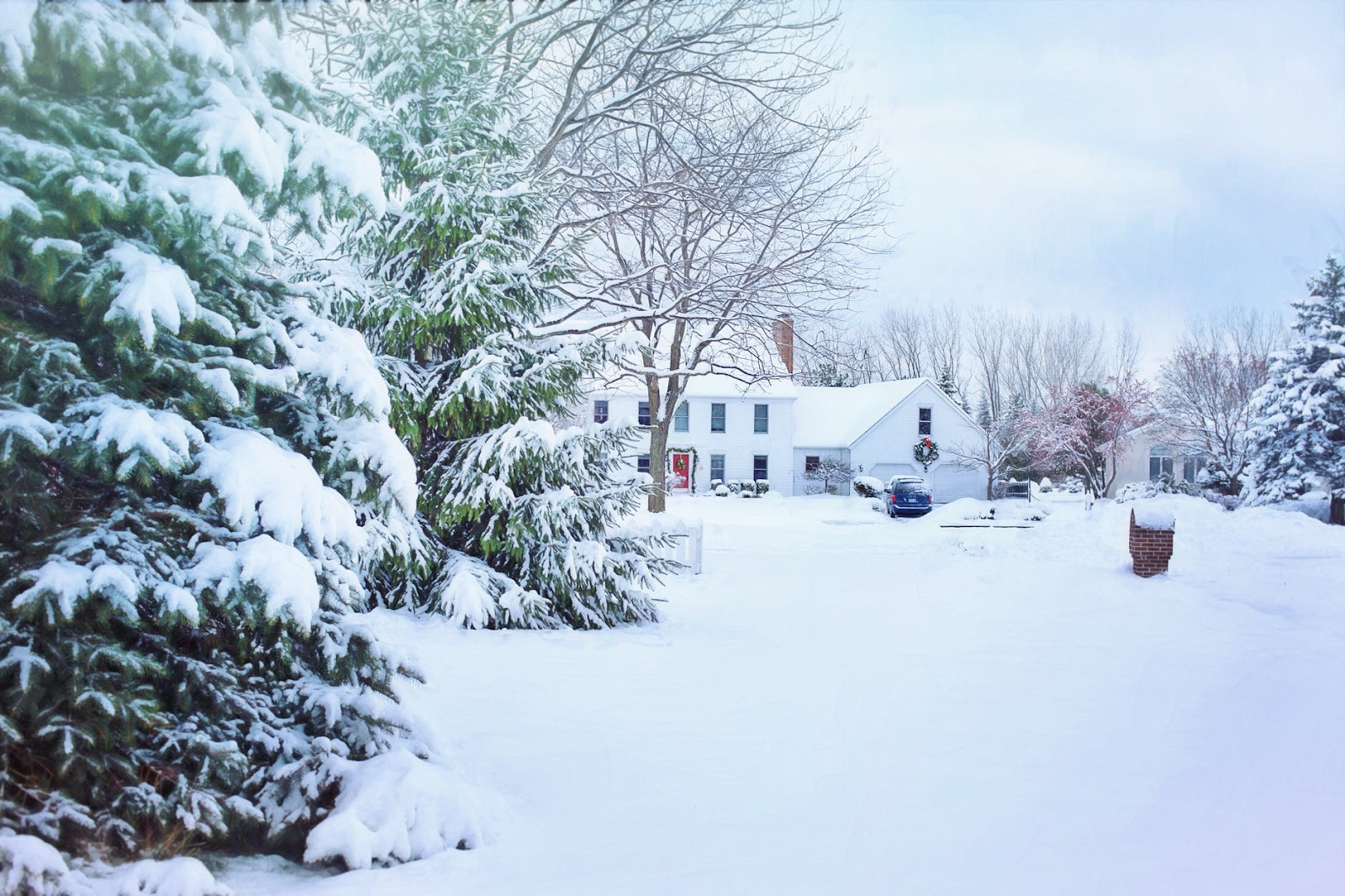
Turning Your Garden Into a Winter Wonderland: 9 Top Tips for Garden Lovers

The post Turning Your Garden Into a Winter Wonderland: 9 Top Tips for Garden Lovers appeared first on Miss Smarty Plants.

Photo by Jill Wellington from Pexels

The many lockdowns and social distancing measures we have all endured over the summer months have made it evident how important our gardens and outdoor areas are. This is a place to spend quality time with your loved ones, make ever-lasting memories, exercise in all safety, and get your much-needed dose of Vitamin D. 

But, now the days are getting colder and colder, it is easy to feel trapped indoors and without an outdoor space to enjoy. However, your garden can still be an excellent environment for you to spend the Christmas holidays with your family and safely meet your friends. It just needs some adjustments – start with the ones below!

Tidy Up Your Whole Outdoor Area

First off, tidy up your outdoor area and clean your garden of leaves, brushes, branches, and debris. This step is important to make your outdoor area safe for your whole family – including little ones. Check your garden’s fences and borders, making sure that they are clean, neat, and safe. 

If you have used wood and nails, make sure these are perfectly in shape, and there is no rust. If rusted, bent, or poking out, it is recommendable to get rid of them and replace them with new fixtures. This is crucial to ensure that the garden structures and fences are safe and will stand the winter’s harsh weather conditions.  

Winter interest in the garden

Make Your Patio Cozy and Welcoming

If you have a patio or outdoor covered area, you should make the most of it. If you don’t, this is the best year to invest in one! Indeed, we are likely to be spending more time than we had imagined indoors this year. So, creating a sheltered, comfortable area for you and your family to enjoy throughout the cold season is paramount. 

You can turn your patio around by cleaning it, tidying it, and start adding thoughtful details. If you are using your patio as a storage area, you should reconsider its current design, implementing cabinets and cupboards that can give it a sleeker look.

If your patio is too exposed to the elements, you might also consider enclosing it with insulating materials.

Add Heating and Blankets

If you want to enjoy more time outside of your home this winter, you will need to make sure that your garden or patio is warm enough. As we’ll see, installing a fire pit can add a touch of extra magic to the atmosphere and warm up the immediate surrounding. 

But, if you wish to have a more practical solution, you should invest in outdoor heaters. Don’t forget to drape the chairs and armchairs with throws and blankets. Don’t forget to add extra pillows and cushions for an extra comfy evening. 

Don’t Hold Back on Lighting

During winter, days are famously short, and you can expect to be in the dark by 4 pm during certain months. So, fitting enough light fixtures to light up the whole area is a must. If you wish to make still the atmosphere comfortable and intimate, opting for fairy lights and brighter Edison bulbs are excellent options. 

Indeed, the light they create is enough for you to enjoy dinner parties in your enclosed patio or a cup of hot chocolate outdoors in the evening. So you can enjoy a magical design with just a few simple additions. 

Add Eco-Friendly Outdoor Furniture

Adding furniture to your garden is something you cannot overlook, but using the right materials is crucial. Indeed, the furniture industry does impact the environment, and if you are only looking for chairs and tables for one season, it is recommendable to find pre-loved items. 

Alternatively, you might decide to put your DIY skills to test and create your own pieces of furniture! Using elements such as pallets allow you to create bespoke pieces of furniture that will last through the winter. Once you have created the ideal furniture, just add pillows, blankets, and throws, to make it even more comfortable.

Plant Winter-Friendly Seeds

The winter season is not just the time of the year where you can forget about your garden. These are important months, especially if you wish to have a well-designed garden and cared for in spring. 

There is an endless list of flowers, plants, vegetables, and grasses that are hardy enough to not only survive the winter but even thrive through it! If you are yet to decide on the winter plants for your garden, take a look at Boston Seeds and start designing your dream winter garden.

Consider Installing a Small Conservatory

If you wish to make the most out of your garden this winter, you might consider installing a small conservatory or orangery. Whether you wish to call it a garden room or sunroom, this is the best way to enjoy the winter sun. This extension allows you to keep practicing your gardening skills and get your plants to continue to grow before spring. While it seems like an unnecessary investment at first, a conservatory can be a beautiful addition to any living room or kitchen. Start planning for it now!

Attract Wildlife

You can attract small-size wildlife, such as robins and other birds, just by adding little houses or feeding stations. Depending on where your home is, you might not be able to see your garden filled with animals, but you will be able to help some birds, squirrels, or frogs occasionally.

Consider Installing a Fire Pit

Installing a fire pit is a dream for every gardener or camping lover. It allows you to always have a place where you can say goodbye to your TV and enjoy the crisp evening air. You can use the flames to toast marshmallows or grill vegetables for your upcoming family dinner. 

And, with a cup of drinking hot chocolate or mulled wine in your hands, having a fire pit in your garden is an excellent way to get the whole family to come together and take time to tell stories and anecdotes. There is nothing better to make this upcoming Christmas a little more magic – even if in an unusual way!

The post Turning Your Garden Into a Winter Wonderland: 9 Top Tips for Garden Lovers appeared first on Miss Smarty Plants.


from Miss Smarty Plants https://ift.tt/3n46EnL

Wednesday, November 4, 2020

How to Grow and Maintain a Live “Go Green” Garden Fence

The post How to Grow and Maintain a Live “Go Green” Garden Fence appeared first on Miss Smarty Plants.

Creating a living garden fence is not as complicated process as it seems. Some rules may help to organize the whole process and get a well-grown fence in one season. The team of homemakerguide has united basic tips from the famous gardeners to help you with the process.

First of all, you have to consider the purpose of your garden fence, whether you need a garden fence to keep dogs out, or to train your fruit trees to form a unique figure in the garden. This choice will limit the type of trees you can use in the fencing.

Some trees grow very fast and can give the first harvest in the second year of fence training. If you choose between a garden fence or wall, you can combine them both in one construction. To train the trees in a well-formed fence, or espalier, you will need a brick or stone wall to support the growing plants.

Privacy Panel installation

First espaliers had a simple principle. The bricks absorbed the heat, and the fruits were ripening faster on the wall. Although the fences are used more for decorations nowadays, stone and brick walls are still the most straightforward garden fence maintenance, especially for beginners. 

There are several most popular types of garden fences: the candelabra, the cordon, and the Belgian fence. The horizontal cordon and the candelabra types are the easiest to master and do not require unique garden fence accessories. Choose the trees you want to grow, the side of the garden you want to use, plant the trees closer to the wall, and start forming the fence you desire.

Eola Heights Private Garden Tour
With no lawn in the courtyard, this fountain becomes the focal point with low maintenance groundcovers and plants throughout to keep the lush feel.

It is better to grow the garden fence with six and more hours of sun lightning. Garden fence treatment is not something that demands all your attention, though you will have to work first weeks and every spring a lot. Do not forget about watering and fertilizing. If your trees grow in front of the wall, they will need more watering. Pay attention to the bugs and insects, and fix the problem immediately when you notice them.

Garden fence is a construction that needs time. The first year it will grow in the directions you guided it, though trying to escape the form. You have to control it and gently fix the shape. In the second year, the form will be more evident. You will see that your efforts were not useless.

Conclusion

Remember that the garden fence is a living growing sculpture with its character. It will never be perfect, and you need all your patience to train it to your desired form. Consider it being like a child in your garden, you will make mistakes as any parent, but with some added patience, you will have a fantastic result.

What fence would you like to grow? Have you chosen the trees already? Don’t hesitate to share the result!

About the Author:

Archie was a builder for more than 40 years. Mainly after his retirement the enthusiastic electrical works in garden and writes for a blog Homemakerguide.com to keep himself occupied. His many years of experience can get you the right tool reviews whether it is a drill, welding machine or so. An impressive fact to note about him is that almost everything in his house is a representation of his skills made by his hands.

The post How to Grow and Maintain a Live “Go Green” Garden Fence appeared first on Miss Smarty Plants.


from Miss Smarty Plants https://ift.tt/32ehwrh

Wednesday, October 28, 2020

Gardening Tips You Should Look to Use Right Now

The post Gardening Tips You Should Look to Use Right Now appeared first on Miss Smarty Plants.

There is no question the garden is one the most exciting and vibrant parts of any property. This is the place where you can express yourself and try to make some of the best possible changes to enhance and improve the home as a whole. You should be looking to come up with ideas that are going to help you make your garden better, and there are a lot of things you can do to achieve this. 

Make sure you look at doing as much as you can to come up with ideas that will help you improve the process moving forward. You need to try to maximise your garden and use it for as many different things as you can, and there are a lot of ideas you have to work on right now. Try to focus on this as much as you can right now in order to make the right gardening tips that can make a big difference. 

Photo

Lawn Maintenance

The lawn is probably the most important part of the process when it comes to looking after your garden. So you need to have some tips and techniques to help with the right lawn care, and this is something that plays a massive part in the process right now. Lawn maintenance is one of the essential parts of managing and improving your garden as much as possible, and this is something to keep in mind right now. 

Grow Edibles

Another thing you can do to make the most of your garden right now is to grow edibles. If you can set up a mini allotment where you can start to grow things like fruit and vegetables then this adds an exciting new dimension to the garden. You might also think about growing mushrooms, and heading to Out-Grow is a great way of stocking up on the essentials for this. Growing edibles makes your garden a place you can grow food and helps you to live a greener life as a result.

Prepare for the Winter

There are a lot of things you need to think about when it comes to effective garden maintenance, and it is clear that you need to make the right choices to look after the garden in adverse weather conditions. This means making sure you have ideas in place to help you get your garden ready for winter and make sure it doesn’t suffer too much in the cold and frosty elements.

You have plenty you need to consider when it comes to making the most of this right now, and there are a lot of factors you have to try to make the most of moving forward. Come up with some of the best ideas you should be using to improve things and make your garden better right now.

The post Gardening Tips You Should Look to Use Right Now appeared first on Miss Smarty Plants.


from Miss Smarty Plants https://ift.tt/3kDbEix

Wednesday, October 21, 2020

Top Tips for Getting Your Garden Ready for Winter

The post Top Tips for Getting Your Garden Ready for Winter appeared first on Miss Smarty Plants.

As we move into winter and the temperature drops, it’s essential to prepare your garden – no matter how small – for the change in seasons. It’s especially crucial if you want to have your garden looking well during the spring and summer months when it is a joy to be wandering around.

Here are some top tips to help you:

Remove fallen leaves

Rake up any fallen leaves, especially from pathways as they can be slippery. However, don’t just throw the leaves away, use them to make leaf matter. It will take about eight months to decay, but it is so worth it for your plants or vegetables.

Prepare plants for colder weather

Cover any plants that don’t like frost with bubble wrap or hessian sacks. This will protect the roots of the plant from any frost damage. This is particularly useful if you have plants in pots as often the frost can cause plant pots to crack. If you are growing vegetables, cover these with fleece.

pinecones covered in snow

Prune

If you have overgrown trees, now is the time to use a professional. Making use of tree trimming services in your area will ensure your trees are pruned correctly and shaped. This will ensure they don’t overhang or cause a shadow over any of your plants that like sunshine.

Look after your lawn

During a time when lawns are no longer growing, it is a good idea to remove any thatch or moss. This will aerate the lawn and have it looking its best during the hotter months.

Don’t forget the wildlife

It is so important to look after the wildlife in your garden, especially over the colder months. You can do this by feeding the birds. You could also consider adding in a water bath too.

Protect your garden furniture

The colder months mean that any garden furniture that is left out often gets damaged. If your furniture is wood, then give it a coat of preservative to ensure it doesn’t crack or damage over winter.  Another option is to bring your furniture inside if you have room. Alternatively, you can purchase a table cover to keep your furniture dry during the winter season.

Protect outside taps

If the weather does get really cold and you have outside taps, you don’t want them to freeze. This can cause untold damage and be costly. You can stop a burst pipe happening by using insulation on any exposed pipes and taps. This is an excellent prevention tip.

Winter interest in the gardenWinter interest in the garden

Plan for the growing season

Winter is often a time when you can take stock of how your garden has performed over the warmer months. Do you want to grow more plants? Do you want to grow vegetables? Did the plants perform well in their current location? You can answer all these questions during winter, which will allow you to plan for the growing season ahead.

These are just a few tips to help you in the garden this winter. It is a great time to reflect on your growing season and plan ahead. Preparing your garden for winter will save you so much time when it comes round to the growing season again.

The post Top Tips for Getting Your Garden Ready for Winter appeared first on Miss Smarty Plants.


from Miss Smarty Plants https://ift.tt/2INpIrv

Tuesday, September 22, 2020

Shaded Lawns: Some Advice For The Keen Gardener

The post Shaded Lawns: Some Advice For The Keen Gardener appeared first on Miss Smarty Plants.

While most of your lawn is probably in direct sunlight for most of the day, there will be patches that remain in the shade, especially as the seasons change. 

In the winter, for instance, the sun doesn’t rise high in the sky. This pattern creates long shadows for several months, leading grass in some parts of your lawn to be deprived of the light it needs to thrive. 

Often, there’s nothing you can do to remove the source of the shadows, either. It could be your two-story house or a large, protected tree (or something on your neighbor’s property). Thus, your only option is to adopt proper lawn care. But what does that involve when parts of the lawn experience a lot of shade? Here’s some advice. 

Keep The Lawn Hydrated

The first step is to keep the lawn hydrated, especially in the summer months. If grass doesn’t have sufficient water, it will brown more quickly.

Choose Shade-Loving Species Of Grass

Next, you’ll need to be selective of the grass species you choose. While most varieties need around six hours of sunlight per day to bounce back in the spring, some species can survive low-light conditions for extended periods.

Savvy gardeners, therefore, vary grass species across their lawns according to expected light levels. If they know a particular corner will struggle to get the sunshine it needs to thrive, they sow more robust seeds here. 

This strategy is one that many stately homes use to keep their lawns looking fresh and verdant year-round. They’ll vary the species they plant according to the expected conditions. If light levels are going to be low, then they will scatter more seeds of grass species that can survive them. 

Hire Professional Help

Have you ever been to a friend’s house and marveled at how they managed to get a perfect lawn? Well, usually, the state of their grass has nothing to do with their personal efforts. Instead, they’ve usually hired professional help. 

Affordable lawn care might be the right option for you if you’re a busy person who doesn’t have enough time to spend in the garden, tending to your lawn. Professionals put your grass on a schedule, feeding and watering it periodically according to the prevailing weather conditions and climate. 

Make Weed Removal A Priority

The combination of shade and weeds will immediately kill patches of grass, trying to survive in low light conditions. Invasive plant species steal resources from the grass, causing it to die back. Be sure that you operate a robust weeding schedule to remove unwanted plants the moment that they appear in vulnerable spots on your lawn. 

Create Bigger Boundaries With Your Borders

Pexels – CC0 License

Grass near borders tends to receive more shade than grass in the middle of your lawn. Furthermore, it has to compete with neighboring plants for resources. Therefore, professional gardeners suggest that you find ways to increase the gap between the plants in your borders and the grass. The more significant the distance, the less likely the grass will die. 

The post Shaded Lawns: Some Advice For The Keen Gardener appeared first on Miss Smarty Plants.


from Miss Smarty Plants https://ift.tt/35ZqJq0

Thursday, September 3, 2020

How To Enjoy Your Garden In Winter

The post How To Enjoy Your Garden In Winter appeared first on Miss Smarty Plants.

Winter is usually seen as a quiet time in the garden, with not much to do or enjoy. If you miss working in the garden when the weather is cold, there is plenty to do in the garden during the colder months. Here are some ideas to get you gardening over winter. 

  1. Appreciate evergreens. Choose a range of evergreens, like box balls and topiary, or large shrubs to add some much-needed structure to your garden all year round. Choose an evergreen, so you get some shape and color even in the depths of winter. 
  2. Create cover. Winter sometimes brings bright, sunny days, even if it’s cold, so you might find yourself wanting to sit outside (well-wrapped up of course) to enjoy the sun. Make this more comfortable by creating some cover in the garden to protect you from the elements. Fence panels, climbing plants, umbrellas, or Austex pergolas all work well for this. Add a patio heater to keep you cozy. 
  3. Plant bare-root plants. Winter is the best time to plant bare-root plants. A bare-root plant is one sold without any soil around the roots. It’s an economical way of planting, and you can find a much bigger variety of fruit trees and bushes. You can also find bare-root roses, hedges, and perennials. 
  4. Enjoy winter flowers. There are several flowers that you can enjoy in winter, such as hellebores, snowdrops, crocus, aconites, and winter iris. Some of these plants, like witch hazel and daphne have strong scents. If you need a little color in the garden, look for more seasonal plants. 
  5. Tidy up. A seasonal tidy up can help you get things ready for the busy time in spring. Spend a morning outside tidying up the shed and the greenhouse. When the greenhouse is less full, you can get a good tidy in, and ready it for spring. Sharpen your tools and check your lawnmower is in good condition, so you’re ready when spring arrives. 
  6. Attract wildlife. A lot of wildlife needs some extra help in winter, and offering them something in your garden can be very rewarding. Put out more food for birds, and plant things that still flower, so there’s something for insects too. 
  7. Enjoy the greenhouse. It may be less full than usual, but you can still work in the greenhouse in the winter. Tidy up overwintering pelargoniums, grow some citrus plants, or plant a pot of succulents. In January and February, you can start to sew seeds in a heated propagate. If temperatures really drop, you can use bubble wrap to insulate the greenhouse. 
  8. Plant winter containers. Fill a container or plant pot with evergreen plans or plants with bright berries and flowers. Position these near the house to cheer up a dull garden, and where you can enjoy them. Seeing some color and something living can brighten up, even the dullest winter day. 

There’s no reason your garden can’t bring you joy all year round. Prepare your garden for winter now while the weather is nice!

The post How To Enjoy Your Garden In Winter appeared first on Miss Smarty Plants.


from Miss Smarty Plants https://ift.tt/3bmqGFy

Wednesday, August 26, 2020

Growing Succulents Indoors

The post Growing Succulents Indoors appeared first on Miss Smarty Plants.

For more than eleven years I have been growing succulents. Yes, even before they were on the cover of every household magazine in the supermarket! Growing succulents indoors is one area that is particularly challenging, but also oh-so-gratifying.

The folks at SucculentMarket.com sent me a box of succulents specifically for indoors. I truly think plant selection is one of the keys to growing succulents indoors successfully.

best succulents indoors

Look through any gardening website, decorating magazine or go crazy on Pinterest to see the designs and uses for this group of plants. From containers to wreaths to temporary installations, succulents have compelling shapes and colors that make them ideal for a wide range of displays.  This article will provide concepts for basic care and design uses that can easily be incorporated into your home and will flourish in low light levels.

Haworthia zebrina
Haworthia zebrina

Care for Succulents Indoors

Not surprisingly, succulents will require less frequent watering than most interior plants. Plants that are continually overwatered will be prone to rot, disease and a general decrease in plant vigor. I like to maintain succulents by monitoring the turgidity, or the stiffness of the leaves.  Turgidity is the plant having ample water to keep the leaves full or turgid, resulting in the swollen and dense feeling of a healthy plant.  When succulents first experience water stress the leaves will be slightly soft, indicating that the plant needs water. So go ahead and give those leaves a little squeeze! It will help you determine when you should water– by the plant’s needs and not a calendar.

Soil for Succulents

To keep plants dry, good drainage is key for long-lived succulents. I do not recommend special cactus or succulent mixes as necessary if watering can be closely monitored.  A high quality, lightweight potting soil does well if plants are to be permanently installed.  In my experience, adding generous amounts of Turface, or calcined clay mix, will help to maintain a very light soil well also increasing drainage.  For some reason, the pervasive habit is to add sand to soil, resulting is a very heavy and dense mix that is detrimental to succulent health. Additionally, the very fibrous, small root systems of succulents makes them ideal for dropping the pot into existing container displays.

best succulents indoors
Fairy's Washboard Plant, Haworthia limifolia
Fairy’s Washboard Plant, Haworthia limifolia

Plant Selection

The variety of jewel-toned succulents that are available can be mesmerizing. From oranges and chartreuse to deep purples and reds, there is a variety of succulent for almost color of the rainbow.  Almost all of these will succeed given high level light conditions and low humidity.  But what if you have less than ideal conditions?  Low light levels can be challenging, and under these conditions it is hard to maintain the deep oranges and yellows of many of these plants.  So it may be worthwhile to consider some of the other very architectural succulents that can tolerate low light.

best succulents indoors

Succulents that tolerate low light levels include Haworthia, Gasteria, Sedum, Aloes and even Kalanchoes. The folks at SucculentMarket.com have even put together an assortment perfect for your dark apartment. These varieties will thrive in darker areas, making them ideal for inside the home.  These plants will maintain their growth and serve as long term plants.

Gasteria
Gasteria

Take time to consider adding a top dressing to your plants.  Whether in containers or in larger plantings, this will help to keep the plants clean and also set off  designs.  Are you looking for a more contemporary look? Polished pebbles keep the clean lines you are looking to achieve. Tumbled glass, stone, and seashells are a few options to complete your look with a very professional appearance.

Given the popularity of succulents, succeeding with these plants is a trend that you can achieve.

Haworthia retusa
Haworthia retusa

The post Growing Succulents Indoors appeared first on Miss Smarty Plants.


from Miss Smarty Plants https://ift.tt/32HOM9Z

Where to Save, and Spend, in Your Urban Edible Garden

The post Where to Save, and Spend, in Your Urban Edible Garden appeared first on Miss Smarty Plants.

To grow an urban, edible garden is genuinely an art. Unfortunately, just like art, it can end up costing you quite a bit of money. The good news is that by knowing where to splurge and where to save, you will have enough in your budget to get the best results and the most delicious fruit and vegetables. Read on for some advice. 

Save on pots 

Plant pots can be surprisingly expensive, especially when you have to buy a lot of them. Fortunately, there are some ways to save on the urban, edible garden cost. 

The first is to make your own. Don’t worry, I’m not talking about whipping up those concrete things you’ve seen on Pintrest. Instead, all you need is some scrap newspaper and a special tool. Then you can make biodegradable pots that you can place directly in the ground: something that will not only save you money, but time repotting as well. 

Picture found at Pixabay – License CC0

Alternatively, why not consider repurposing other containers you have lying around the garden and use those as pots? In fact, just about anything will do including an old welly boot, a kitchen sink, or even the kids paddling pool they no longer use. Just make sure you give them a clean (avoid using containers that have held toxic substances) and line with landscaping fabric. 

Save on running costs. 

Another area in which you can save money in your urban edible garden is on running costs, with one of the most expensive of these often being water. After all, no matter where you are located, your plants aren’t going to grow without water, and so you will need to give your garden a good soaking at least 2-3 times a week! 

Happily, there are some savvy ways you can keep your garden water costs down. In particular, you should consider catching rainwater which is 100% free and use that for your garden. You can even get rainwater harvesting tanks and pumps from suppliers like The Tank Factory online. Something that makes collecting and redistributing rainwater in your garden as easy as pie. 

Invest in compost 

One area in which you won’t want to scrimp is the compost you use. In fact, if you are going to be eating the produce, you are growing organic compost as a must. This is because it’s both full of nutrients and much safer too. 

Invest in seedlings 

When growing an edible urban garden, it can be tempting to opt for seeds. In fact, for just a few dollars, you can get a fantastic selection of seeds, including heirloom varieties. 

Image sourced at Pixabay – License CC0

However, seeds require loads of time and love to germinate, as well as specialist equipment such as greenhouses. With that in mind, if you are just starting your garden, or are short on time, investing in seedlings which can be planted straight into the ground is a great idea. 

It will also give you the best chance of ensuring a decent edible crop as well. Rather than having to hover nervously over your beds for weeks to see if anything decides to shoot! 

The post Where to Save, and Spend, in Your Urban Edible Garden appeared first on Miss Smarty Plants.


from Miss Smarty Plants https://ift.tt/2YDa4UH

Sunday, August 23, 2020

Why You Don’t Feel Cozy In Your Garden, And What To Do About It

The post Why You Don’t Feel Cozy In Your Garden, And What To Do About It appeared first on Miss Smarty Plants.

It used to be the case that gardens were purely places you wandered around on foot. Then, people saw that they could make the experience better by bringing indoor elements, like tables and chairs, outside. 

Pexels – CC0 License

In the early days, these weren’t the comfiest. Often manufacturers made sets of cast iron covered in thick paint to ensure that they could withstand the weather. 

Even with the invention of waterproof plastics, things were slow to change. It’s only recently that we’ve seen the introduction of weaved vinyl seating and furniture to the garden. Before then, you either had to make do with solid wood or metal. 

The following are some of the reasons you don’t feel cozy in your garden and what you can do about it. 

You Don’t Have A Canopy Covering

Having a roof over your head is important, even when enjoying time outdoors. 

The reason is simple: it protects you from the elements. Sometimes you don’t want to bake yourself in the sun. Other times, you want to sit outside, but not in the rain. Here, having some roofing over your patio and decking can help enormously. 

You Can’t Recline Easily 

Pexels – CC0 License

Sitting upright is physiologically stressful. It’s what you do when you’re at work, tapping away at your computer.

Reclining, by contrast, is what you do after a long day in the office. There’s something intrinsically enjoyable about it. 

Usually, though, you can’t recline in your garden. You have to make do with seating with straight backs – not ideal. 

There is, however, a simple solution: invest in an Adirondack chair. This form of seating is specially made for outdoor settings and lets you sit back, relax, and enjoy a good book. What could be cozier than that? 

You Don’t Have A Table 

Arbors and regular seating are okay if you want to sit and observe your surroundings. But if you want to do anything else, like eat a meal, you need a table. 

Tables are useful for a variety of reasons. For starters, they let you keep all your creature comforts to hand. Nobody wants to balance their hot cup of coffee on an uneven lawn. It’s much better to place it on a proper surface. Plus, you can use tables to dress up your outdoor spaces and make them feel more like regular rooms in their own right. Everything feels much less sparse. 

You’re Not Making Proper Use Of Lighting

Pexels – CC0 License

You might think that outdoor spaces don’t require lighting. After all, they have the sun for that. 

But if you spend time outdoors in the evening or at night, you soon discover that you need a bit of artificial light to make it feel cozy. 

When it comes to outdoor lighting, you have a bevy of options. One idea is to hang strings of fairy lights to your canopies that light up automatically when the sun goes down. Some people use natural candles too. Just be sure that your decking is fireproofed if you go down this route. 

The post Why You Don’t Feel Cozy In Your Garden, And What To Do About It appeared first on Miss Smarty Plants.


from Miss Smarty Plants https://ift.tt/3hqrHP1

Thursday, August 13, 2020

3 Sure Fire Ways To Make Your Garden More Sustainable

The post 3 Sure Fire Ways To Make Your Garden More Sustainable appeared first on Miss Smarty Plants.

If you are an avid gardener, the chances are that you are also a bit of an eco-warrior. However, it can be challenging to create a bountiful garden full of flora and fauna without some pesticide usage to manage pests or without utilizing plenty of water during long hot summers. If you are keen to make your garden more eco-friendly, you need to look at recycling materials, reusing items, and reducing your wastage. Take a look at these 3 sure fire ways to make your garden more sustainable.

Go Organic

Organic food has seen a surge in popularity recently, as people are more keen than ever to know what exactly goes into the food and meals. Going organic can be challenging if you are used to using manmade fertilizer to encourage rapid growth for your tomatoes, butternut squash, and brassicas. If you want to go organic, think about generating your own compost. Your food waste from meals such as cooked veg, banana skins, and apple peels, can mulch down to create a beneficial organic feed. This also saves your food waste from going to landfill, having a larger sustainable impact on your wider lifestyle. 

And don’t forget to water your plants regularly. The better the watering regime that you have in place, the more consistent growth you will see in your vegetables and plants. Don’t always use the mains water from your home. Consider installing one of the many poly water tanks available to collect rainwater that you can then reuse to design an irrigation routine for your planting.

Think Of Your Flowers

To help out the wildlife in your local area, consider setting aside a section of your garden and dedicating it to wildflowers. Many flowers such as honeysuckles and clovers are great to attract pollinators like bees. Bees are endangered across the globe, so giving them the chance to collect nectar within your garden will allow you to do your bit for insects and bugs. Other flowers and trees will attract birds and mammals, such as hedgehogs, foxes and badgers. If you plant some wild grasses and barleys, these longer grasses will form a great habitat for fox families and badger setts.

Stop Using Power Tools

That powerful leaf blower or petrol mower can cause untold damage to the environment, producing toxic fumes that damage the atmosphere. Rather than contribute to this, look for alternatives. While it may take a little longer, sweeping up the leaves in your garden can be a greener way to clear your lawn. You can also reconnect to nature in a more calm and gentle way. Many mowers are now electric, running off a solar-powered battery. While they were once substandard to their petrol counterparts, they now have the power and battery life to rival the most gas-guzzling machines.

Forget about creating a garden merely for aesthetics and image. As a gardener, you should be showing off your green-fingered credentials. Look to the functionality of your garden and make it sustainable and eco-friendly.

The post 3 Sure Fire Ways To Make Your Garden More Sustainable appeared first on Miss Smarty Plants.


from Miss Smarty Plants https://ift.tt/2CoGpH0

Monday, August 10, 2020

A Simple Guide To Removing Pests From Your Garden

The post A Simple Guide To Removing Pests From Your Garden appeared first on Miss Smarty Plants.

Picture

Are you worried about planting a new garden this summer because you tend to have lots of pests in your local area? Do you want to avoid wasting money on plants and flowers only to discover bugs and insects are eating them? Then take a few minutes to read this post, and put some of the advice to good use. 

At the end of the day, there are always going to be some pests you won’t catch. However, there is also a lot you can do to protect your plant life and ensure the chances of pests becoming a significant problem are slim. 

Controlling Lubber grasshoppers

Use organic pesticides

Many people are concerned about using pesticides in their garden for good reason as you can learn if you click here or online. The chemicals used in some solutions can be harmful to humans, and they could also damage your outdoor space. Thankfully, there are lots of organic pesticides on the market these days that are much safer than the alternatives, and so you just need to select the right one for you. 

Take some time to read online reviews, and check forum posts from avid gardeners for tips and advice too. In most instances, you only have to use the pesticide once or twice to keep those unwanted creatures away from your beautiful plants and flowers. So, it’s not a time-consuming job, but it could make all the difference. 

Invest in a mole repellent

Lots of people have issues with moles in their gardens and vegetable patches, and that is especially the case if you live near to farms or open land. There are hundreds of different ways folks will tell you to get rid of moles, and many of them will not produce the desired results. 

Still, you can read here or search online to learn more about specialist products that will get rid of moles without damaging the environment or causing any harm to the creature. Sound waves are a useful tool for encouraging small animals and rodents to move away from an area, and there are some fantastic sonic mole repeller products available these days. 

Check for infested plants

Lastly, and perhaps most importantly, you need to keep a close eye on all the plants in your garden. If one flower becomes infested with pests, it will only take a couple of days for them to breed and spread to everything else in your garden. 

As with the recent pandemic, quarantine is usually the best solution. Remove the infected plant from your garden and either destroy it or place it somewhere far away from everything else. That should assist in preventing an outbreak before it has a chance to take hold. 

Use the advice from this page during the next few months, and you should manage to keep those unwanted pests and critters far away from your flower beds and lawn. Of course, new products hit the market every day, and so it’s always worth speaking to experts at your local garden centre if you have any concerns or struggle to produce the desired results. They won’t mind pointing you in the right direction! 

The post A Simple Guide To Removing Pests From Your Garden appeared first on Miss Smarty Plants.


from Miss Smarty Plants https://ift.tt/3fRv0xi

Friday, August 7, 2020

Repotting Orchids: Oncidiums

The post Repotting Orchids: Oncidiums appeared first on Miss Smarty Plants.

I’m long overdue to spend some time repotting orchids. Don’t believe me? Just look at this poor oncidium orchid! It “jumped” off the shelf last year breaking the pot, the roots are growing everywhere, and I haven’t done a darn thing about it. Until today.

repotting orchids oncidiums

I know I should be embarrassed by this, and I am, slightly! Just look at all of these roots growing out in the air! I laughed at the fact that when we were in Florida I grew my orchids in trees so I never had to repot any of them!

repotting orchids oncidiums

My first step was to remove this massive plant from its (broken) pot. It came out fairly easily and left me with a few decisions for repotting orchids.

Options for repotting orchids:

  • Leave the entire plant as one and find a larger pot.
  • For oncidiums only, I have the option to cut and split to two pots.
  • Remove older pseudobulbs (the bulbous section at the bottom of the leaf) and keep in a similar sized pot.
repotting orchids oncidiums

I decided to use a sharp knife to cut this into two parts. They are not even, but there seemed to be a natural break in here where I wouldn’t have to cut much.

repotting orchids oncidiums

I used fresh orchid bark in the bottom of the pot and to hold these orchids in place. Orchids do not use potting soil. I know this seems obvious to some, but trust me this is apparently not common sense.

repotting orchids oncidiums

I chose pots that were just large enough to jam the plants in and get a little bit of bark around the outside. Orchids like to be pot bound, so there isn’t a benefit to increasing the size more than necessary. I tucked the roots down in the orchid bark a little bit to help encourage them to grow in there. I have a feeling the previous pine bark was so broken down that they weren’t getting enough air in there before.

I left them sitting a little big high to make sure they have the oxygen they need and that the pseudobulbs are visible.

This plant hasn’t flowered in a couple of years and hopefully the time spent repotting orchids will change that this year!

repotting orchids oncidiums

The post Repotting Orchids: Oncidiums appeared first on Miss Smarty Plants.


from Miss Smarty Plants https://ift.tt/3fyaHVi

First Lady Jill Biden and the White House Garden

Now that almost everyone concedes that the Bidens will be moving into the White House soon (hopefully, soon enough!), local garden writers ...